 >
>Black Codes
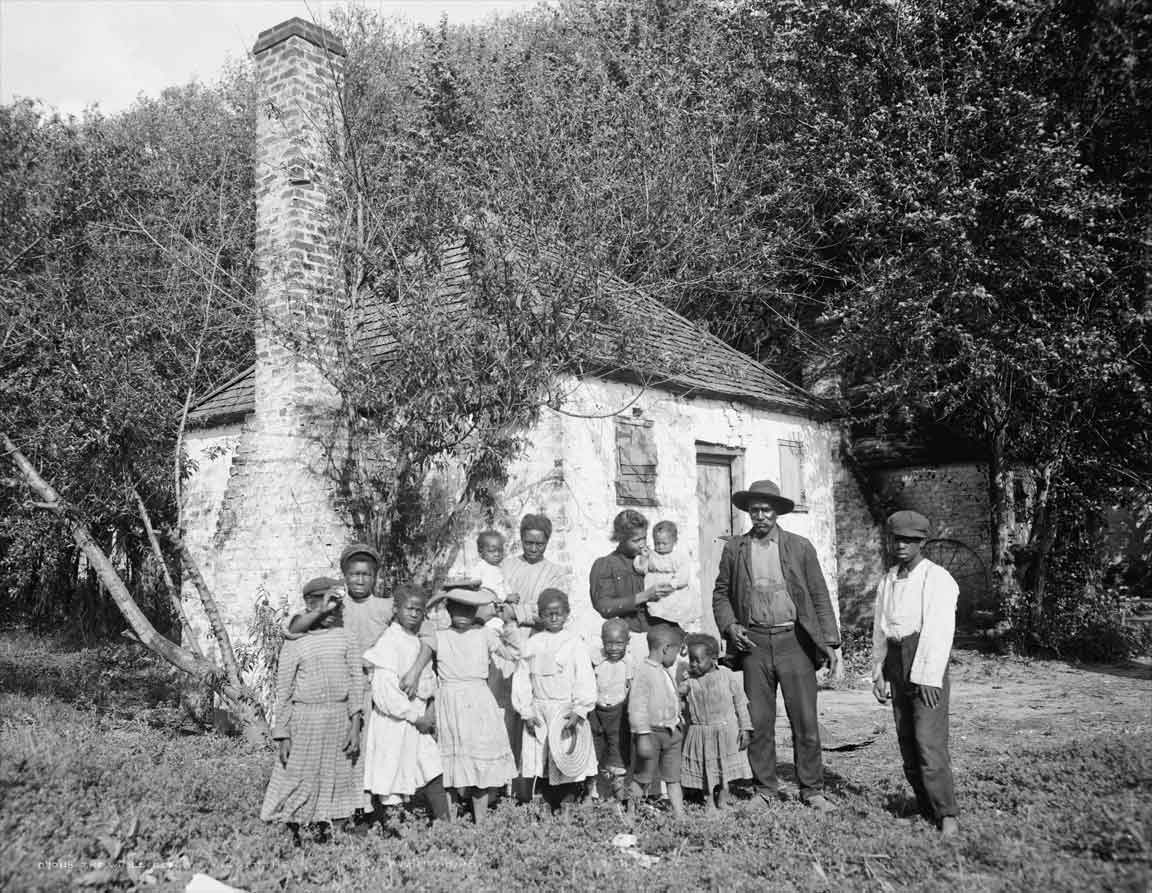
With the end of the Civil War and the slaves freed, the whites in the Southern States felt they needed some way to control the newly freed African Americans. Their solution was a series of laws that limited the freedoms of the newly freed slaves. The acts which took place in most Southern states enraged many in the North and helped convince them of the need for a military supervised reconstruction.
The Southern States had a long history of restricting the rights of freed slaves. There had always been a significant free black population in the South, and the Southern States had laws to limit the freedoms of many of these Blacks, including in most cases, their right to vote. With the war over and all of the slaves freed, Southern whites both feared retribution from the slaves while simultaneously needing their labor. White Southerners continued to believe, despite their loss in the war, in their racial superiority and in their belief that Blacks were destined to serve them.
In response, the legislators of the Southern States passed new laws aimed at the freed slave. These laws limited what the newly freed slaves could do. At the heart of the laws were vagrancy rules that allowed the police to arrest people for hanging around without doing anything. These people would be arrested, fined, and then forced into becoming indentured servants to pay off their new debt.
Northerners were furious at these actions. To many of them, they had just fought a bloody Civil War whose positive outcome, other than preserving the Union, was the fact that slavery had needed to be abolished. This seemed like an attempt to enslave the newly freed slaves by other means. As a result, the Reconstruction Acts were passed, and their enforcement was carried out by the army.