 >
>1925-Air Mail Contracts
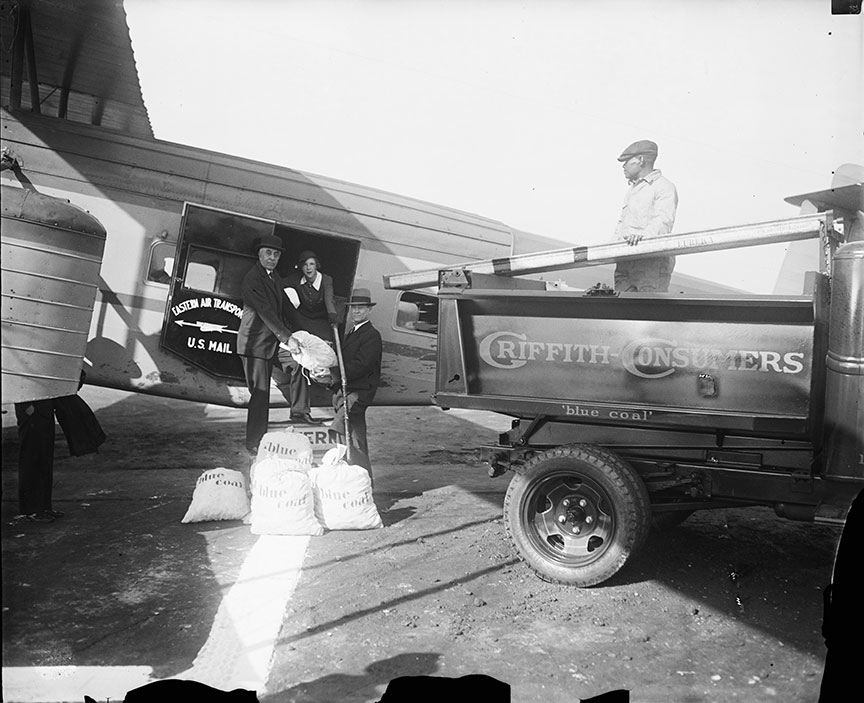
Five private companies won air mail contracts in the United States. The contracts awarded were for the routes from New York to Boston; Chicago- St Louis Chicago - Dallas and Salt Lake City Los Angeles. The contracts were awarded subsequent to the passage of the Air Mail Act.The first contracts were awarded on February 15, 1926.
Following the passage of the Air Mail Act, a significant shift in the United States’ approach to airmail transportation occurred. Five private companies were awarded contracts to operate key airmail routes previously managed by the U.S. government. These contracts represented a pivotal moment in the privatization of air transportation and the development of commercial aviation.
The contracts covered several critical routes: New York to Boston, Chicago to St. Louis, Chicago to Dallas, and Salt Lake City to Los Angeles. These routes were strategically chosen to connect major urban centers, enhancing the efficiency and reach of airmail services across the country. The transition was part of a broader government initiative to encourage private industry participation in aviation, reduce federal expenses, and foster innovation in the burgeoning field of air transportation.
The Air Mail Act not only transferred responsibility for airmail delivery from the government to private companies but also introduced a competitive environment that incentivized innovation and cost-effectiveness in aviation operations. It marked a turning point in U.S. aviation history, laying the groundwork for the development of major airline companies. Many of the private operators awarded contracts under the act would eventually evolve into some of the largest and most influential airlines in the world.
This transition had a lasting impact on the aviation industry. It spurred technological advancements in aircraft design and performance, as companies sought to improve reliability and speed to maintain their contracts and win new ones. Moreover, the privatization of airmail routes contributed to the establishment of more extensive passenger and cargo networks, which would become the backbone of the modern airline industry.
By handing over airmail operations to private companies, the U.S. government played a crucial role in jumpstarting the commercial aviation industry. The success of these airmail routes demonstrated the viability of private aviation as a critical component of the nation’s infrastructure and set the stage for the exponential growth of air travel in the decades to come.