 >
>The Historical Value and Modern Sale of Inherited Firearms
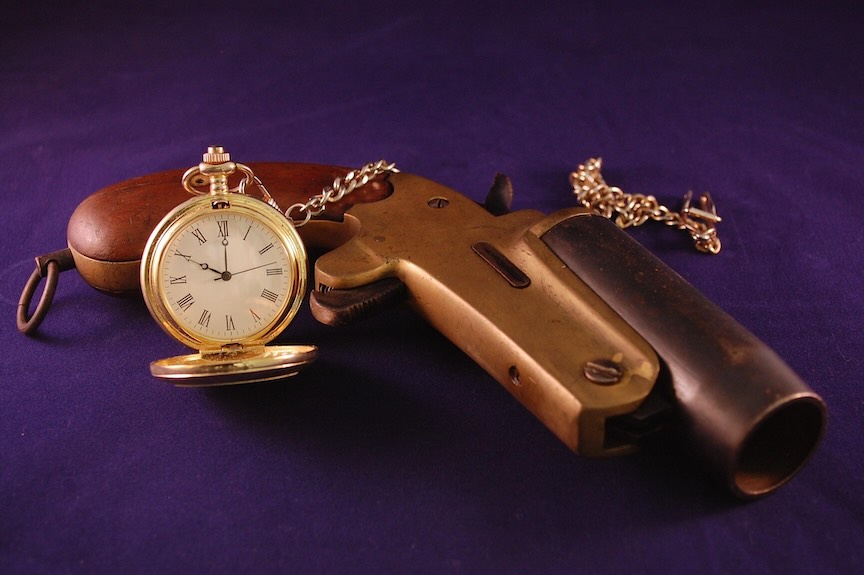
When a family member passes down a collection of old rifles or a single wartime pistol, the experience is rarely straightforward. There's the emotional weight of holding something that belonged to someone you loved, paired with a long list of unknowns. What are these inherited firearms actually worth? Are there legal steps that come with firearm inheritance? And how does someone who's never appraised a gun even begin to figure it out?
Before making any decisions about keeping or selling, understanding what gives these pieces their historical value matters most.
Where and How to Sell Inherited Firearms Today
Once the legal groundwork is in place, choosing the right selling channel becomes the most consequential decision an heir can make. Each option comes with its own trade-offs in terms of price, speed, and effort.
Auction Houses and Estate Services
For historically significant pieces, specialized firearm auction houses like Rock Island Auction offer the strongest returns. These consignment-based sales connect sellers with serious collectors willing to pay premium prices, particularly for antique models or those tied to notable conflicts like Revolutionary War firearms.
When an entire collection is involved rather than a single piece, estate-specific firearm services streamline the process considerably. Options to sell a gun estate through dedicated services typically bundle appraisal, legal transfer coordination, and sale into a single engagement, which reduces the burden on executors who may not have firearms expertise.
In both cases, getting a professional appraisal before committing to a gun auction or consignment agreement is essential. Without an accurate firearm valuation, heirs risk underselling pieces that carry collector premiums they never recognized.
Dealers, Online Sales, and FFL Transfers
Local dealers holding a Federal Firearms License offer the fastest and simplest path to a sale. The trade-off, however, is price. Dealers typically buy at wholesale margins, making this route best suited for common models without significant historical or collector value.
Online platforms expand the buyer pool dramatically, but they also introduce additional steps. Every sale completed online still requires the firearm to ship through an FFL for the final transfer, and both federal and state compliance rules apply. Heirs looking to sell inherited firearms through these channels should confirm all shipping and transfer requirements before listing.
What Makes an Inherited Firearm Valuable
Value is not simply about age. Instead, it emerges from a combination of measurable factors that collectors and appraisers weigh carefully when assessing inherited firearms. Understanding these factors is the first step toward making an informed decision about what to do next.
Condition, Provenance, and Maker
Of all the factors that determine what an inherited firearm is worth, condition ranks at the top. Original finish, fully functional mechanics, and the absence of aftermarket modifications or amateur restoration work all contribute to a higher firearm valuation. Collectors are specifically looking for pieces that have been preserved rather than altered.
Provenance, or documented ownership history, adds another layer entirely. Original boxes, factory manuals, purchase receipts, and letters of authenticity can dramatically increase a firearm's worth. A revolver with a paper trail connecting it to a notable owner or a specific historical event commands far more attention at appraisal than the same model without documentation.
Then there's the manufacturer itself. Names like Colt and Winchester carry built-in collector premiums, especially for discontinued models. A Colt Python or a Winchester Model 70 Pre-64, for example, consistently draws competitive bids because production has long since ended and surviving examples grow scarcer each year.
The Pre-1898 Antique Threshold
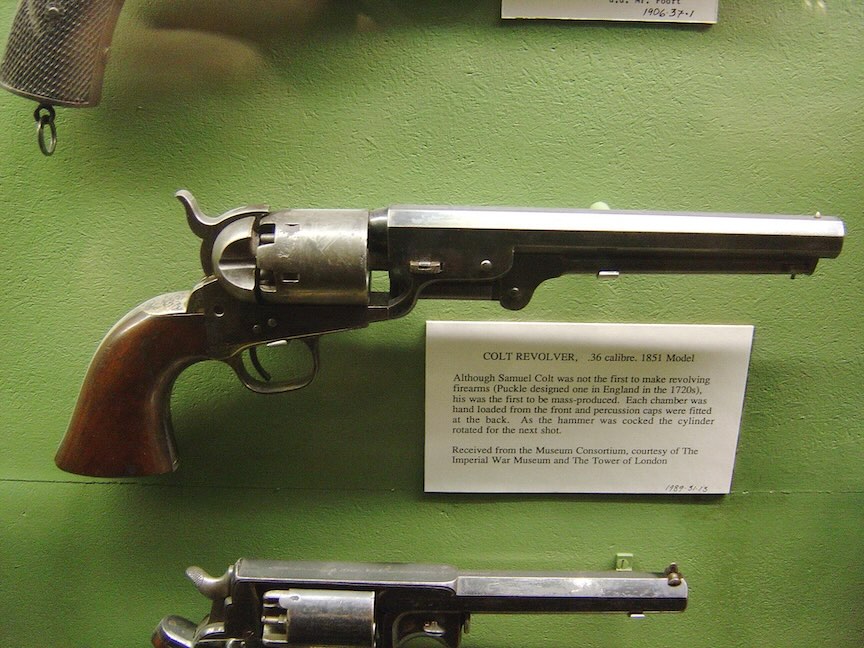
One distinction that affects both legal status and market value is the 1898 cutoff. Firearms manufactured before that year are federally classified as antiques under ATF guidelines, which means they are exempt from most federal transfer regulations that apply to modern guns.
Beyond the legal implications, this classification also signals something collectors care deeply about: scarcity and historical significance. A firearm dating back to the Civil War era weaponry or earlier occupies a different category of demand altogether. Pre-1898 firearms often appreciate steadily because the supply is permanently fixed, and the stories they carry only grow more compelling with time.
Legal Steps for Transferring Inherited Firearms
Once the value and classification of an inherited firearm are understood, the next question becomes what can legally be done with it. Federal and state laws govern firearm transfer rules differently depending on the type of weapon, the relationship between the parties, and whether the transfer crosses state lines. Getting this wrong carries serious consequences, even when the heir has no intention of breaking the law.
At the federal level, any interstate firearm transfer must go through a licensed dealer holding a Federal Firearms License (FFL). This applies whether the firearm is being sold, gifted, or simply passed between family members who live in different states. Intrastate transfers between direct heirs, on the other hand, may not require an FFL in many jurisdictions. State laws vary significantly on this point, however, and assumptions can lead to legal trouble.
Certain items require additional steps entirely. NFA-regulated firearms like suppressors or short-barreled rifles inherited through an estate must be transferred using ATF Form 5 , which allows a tax-free transfer to the heir. Skipping this step or attempting an informal handoff is a federal violation regardless of family ties.
Estate executors carry their own set of obligations in this process. They are legally responsible for securing all firearms in the estate, verifying lawful ownership, and ensuring every transfer or disposition follows applicable federal and state procedures.
The stakes here are not abstract. Failing to follow proper firearm transfer procedures can result in federal felony charges, even when the heir had no knowledge that a violation occurred. Before any inherited firearm changes hands, confirming compliance with both ATF regulations and local laws should be the first step, not an afterthought.
Honoring History While Making Informed Choices
Inherited firearms sit at a unique intersection of family memory and financial reality. Each piece carries a story, whether it's a grandfather's hunting rifle or a wartime sidearm passed through generations. That emotional weight deserves respect, but it shouldn't be the only factor guiding the decision.
Whether an heir chooses to keep, display, or sell, the path forward looks the same. Understanding provenance, assessing condition honestly, and following every legal requirement protects both the person holding the firearm and the legacy attached to it.
There is no single right answer here. Some heirs will find meaning in preservation, while others will find it in letting a collector carry the story forward. What matters most is that the choice is informed by value assessment and legal clarity, not sentiment alone.