 >
>How Women’s Healthcare Evolved from Wartime Medicine to Modern Diagnostics
by David Jones
The history of women’s health has long been overshadowed by great political events, wars, and economic crises. The situation was particularly dire during the world wars, when medicine focused primarily on treating wounded soldiers and many women’s problems were simply ignored. However, it was the difficult historical periods that gradually pushed society to develop a modern system of diagnosis and care for the female body.
Today, women have access to dozens of medical solutions that help them understand their own body changes better. For example, modern tools such as a perimenopause test help to track hormonal changes and respond in time to age-related symptoms. But a century ago, such questions were barely discussed even among doctors. To see how much the women’s health system has changed, one need look no further than the conditions in which women lived during the wars of the twentieth century.
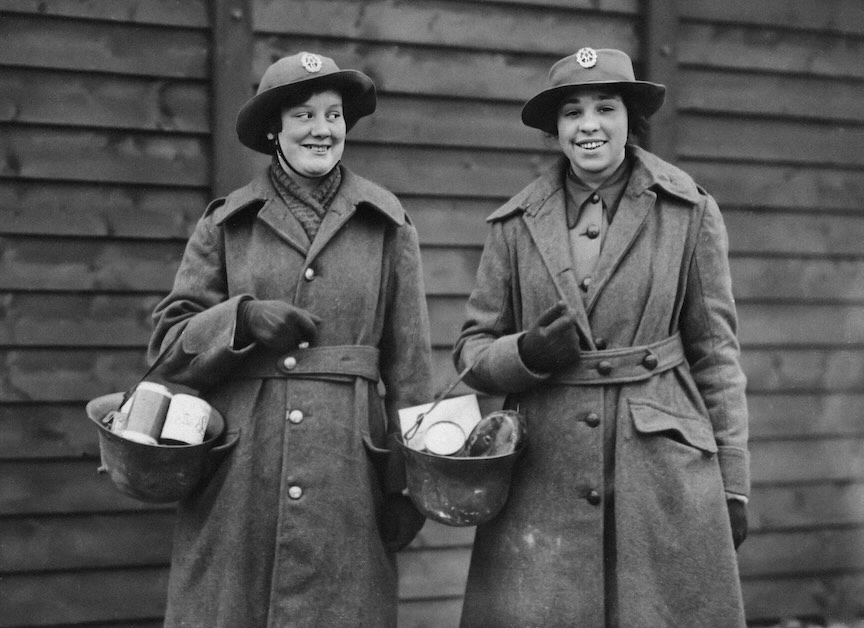 Nation Library of Scotland
Women and Medicine in the First World War
During World War I, millions of women went to work in factories, transportation and military hospitals for the first time. This was accompanied by heavy physical exertion, constant stress and poor living conditions. But most countries' health systems were not prepared for such changes.
Women’s health was considered very limited at the time, with doctors focusing mainly on pregnancy and infectious diseases. Hormonal changes, chronic fatigue or psychological state were hardly studied. Many of the symptoms that are easily diagnosed today were simply attributed to "nerves" or overexertion.
An additional problem was the shortage of medical personnel. Many of the doctors were on the front lines, so women often did not have access to qualified assistance.
In addition, the lack of a complete diagnosis made matters worse. For example, the first large-scale studies of women’s hormone systems began to develop actively only in the 1930s and 1950s. Until then, many of the body’s age changes had no clear medical explanation at all. Medical historians have noted that the aftermath of world wars accelerated the development of female endocrinology and preventive medicine in Europe and the US.
The Impact of WWII
During World War II, the burden on women became even greater. They worked at defense plants, served as nurses, logistics and provided the army. In some countries, women also participated in military units and resistance.
Persistent stress has had a serious impact on health. As a result, many women experienced serious problems, including:
- sleep disturbances;
- increased hormonal imbalances;
- cardiovascular problems;
- deterioration of mental health.
Even during this period, however, many problems remained a taboo topic. Discussing age changes in the body or hormonal disorders was considered impersonal. Medical research in this field began to flourish only decades after the war.
How the World Wars Affected the Development of Female Medicine
Despite its severe consequences, world wars have become a major factor in health-care development. States have come to understand that women’s health directly affects the economy, demographics, and societal resilience.
After the 1940s, several branches of medicine were actively developed, which focus specifically on women’s health:
- endocrinology;
- women's diagnostics;
- prevention programs;
- psychological support;
- hormonal health research.
Particularly notable changes occurred in the 1960s and 1980s, when medicine began to study more closely age-related changes in a woman’s body. What used to be considered "natural inconvenience" has gradually evolved into a full-fledged field of medical research.
Modern Technology and a New Approach
Today’s situation is fundamentally different from that of the last century. Women can monitor changes in body condition, consult with specialists online, and undergo diagnostics without a long wait. Modern medicine uses comprehensive solutions to ensure a high level of women’s health:
- laboratory tests;
- digital trackers;
- hormonal research;
- mobile apps for health monitoring;
- personalized recommendations.
Dissemination also plays a role. Whereas many women simply did not understand the change, access to medical knowledge has become much easier.
High Significance of Historical Experience
The history of women’s health shows how much society has changed its attitude towards medicine and diagnostics. In times of war, women were often forced to cope with physical and emotional burdens almost without support. Many problems were hidden, and diagnosis remained severely limited.
Today, technology can detect changes in the body much earlier and more accurately. But historical experience reminds us that the development of medicine has been gradual and largely the result of severe trials that entire generations of women have endured.
Final Thoughts
The evolution of women’s health is a story of transition from lack of information and limited assistance to modern diagnostic capabilities. The twentieth-century wars revealed weaknesses in medical systems, but also accelerated research and technology. As a result, women now have far more tools to control their health and understand themselves than ever before.