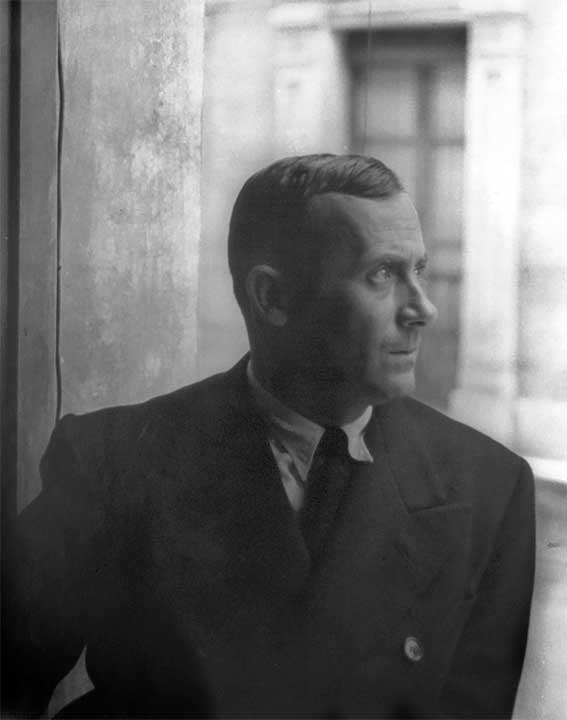
Joan Miró was one of the great artists of the twentieth century, a Catalan painter, sculptor, and ceramicist whose joyful, dreamlike images and playful abstract language made him a leading figure of modern art. Born in Barcelona, he was devoted from an early age to art and to his native Catalonia, whose landscape, folk traditions, and fierce regional spirit would nourish his work throughout his life.
As a young man Miró moved to Paris, then the capital of the art world, where he fell in with the Surrealists. Though he never fully submitted to any single movement, he embraced the Surrealist interest in dreams, the unconscious, and automatic creation, developing a wholly personal visual vocabulary of biomorphic shapes, stars, birds, and brilliant primary colors floating against luminous fields.
His mature style — at once childlike and sophisticated, spontaneous yet carefully composed — became instantly recognizable. Miró sought, as he put it, to "assassinate" conventional painting, freeing color and form from the duty of representing the visible world and creating instead a poetic, almost magical universe of signs and symbols.
Endlessly inventive, he worked across many media over a career spanning more than six decades, producing paintings, prints, vast public sculptures, ceramics, and murals. A foundation he created in Barcelona houses much of his work and reflects his lifelong commitment to his homeland. Honored around the world, Miró remained creative into great old age and died in 1983, his exuberant art among the best-loved of the modern era.